
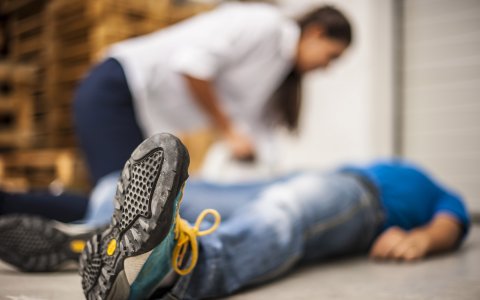
More and more emergencies are happening because of drugs. This has made schooling and being ready more important than ever. A drug overdose prevention training program in Illinois is very important because it gives families, schools, and workplaces the information and practical skills they need to spot warning signs, act quickly, and maybe even save lives. These programs help people feel more confident in their ability to handle scenarios that come up in real life by focusing on prevention, awareness, and responsible action instead of fear.
It makes a real difference to know how accidents happen, what signs to look out for, and how to act in the right way. When people are taught, they are more likely to stay calm and do the right thing in an emergency. This lowers the risk of long-term harm or death.
Why Overdose Education Matters for Families and Communities
When someone is having trouble with drugs, their family is often the first person they turn to for help. Getting educated can help get rid of stigma and replace it with knowledge, empathy, and useful action. A structured drug overdose prevention training program in Illinois ensures families know how to identify early warning signs, understand the risks of prescription misuse, and respond during critical moments.
These programs stress the importance of talking to each other and being aware in the home. People who are parents, guardians, or caregivers learn how to have talks with their kids that aren’t judgmental. This can help kids get help sooner. Getting educated also includes learning how to safely store medications, spot the signs of an overdose, and know when to call 911.
Supporting Loved Ones Through Knowledge
Families can help their loved ones without fear or wrong information when they know what to do. Real-life situations are often used in training to help people get better at making decisions when they’re under a lot of stress. Getting ready in this way can help you feel less afraid and more confident, especially in high-stress scenarios.
Reducing Stigma Through Awareness
Stigma is still one of the main things that makes it hard to stop. Drug use is seen as a health problem, not a moral failing, in educational programs. This method makes families feel less alone, which makes them more likely to use helpful tools when they need to.
The Role of Schools in Overdose Prevention Training
Schools are very important for teaching kids about health and how to behave in a healthy way. Including lessons on suicide in schools helps build communities that are aware and responsible from a young age. Schools can take part in a drug overdose prevention training program in Illinois. The program focuses on age-appropriate education, safety awareness, and early intervention strategies.
It’s helpful for teachers, counselors, and staff to learn how to spot changes in behavior that could mean someone is abusing drugs. Early discovery can stop problems from getting worse and give students access to help and advice before they become a crisis.
Educating Students with Real-World Context
Students are more interested in learning when they think it is important and real. Interactive methods, discussions, and scenario-based learning are common ways that training programs make the knowledge interesting and easy to remember. Students can learn about risks without feeling like they are being taught or judged.
Empowering School Staff and Administrators
When it comes to students’ health, school staff are often the first people that people notice. Training makes sure they know how to react, how to follow the rules, and how to connect students with helpful services when they need them.
Workplace Training and Its Impact on Employee Safety
People who use drugs don’t stop when they leave the office. Employers who pay for training in protection show that they care about the health and safety of their workers. A comprehensive drug overdose prevention training program in Illinois for workplaces focuses on awareness, emergency response, and creating supportive environments.
Supervisors and workers can spot warning signs, understand how stress and mental health affect substance use, and know what to do in an emergency with the help of training at work. There is also an attitude of care instead of punishment.
Creating Safer, More Supportive Work Environments
People are more likely to ask for help when they feel accepted. Training programs promote open communication and make it less scary to talk about problems linked to drugs. This proactive method can cut down on absences, boost morale, and make the workplace safer overall.
Connecting Prevention with Broader Support Systems
A lot of training programs make sure that workers know where to go for professional help when they need it by connecting prevention education with access to helpful resources, such as outpatient behavioral health services in Illinois.
How Prevention Training Fits into Long-Term Recovery Efforts
Prevention training isn’t enough to solve the problem on its own. It works best when used with ongoing support and tools that focus on recovery. People who are in school are often introduced to peer recovery support programs in Illinois. These programs help people in recovery by giving them advice, support, and a chance to share their own experiences.
Communities can move beyond crisis reaction and toward long-term stability if they understand the continuum of care. People learn that protection is an ongoing process, not just an event that happens once.
How Teech Foundation Supports Overdose Prevention and Community Education
Empowering Communities Through Expertise and Care
At Teech Foundation, we think that teaching is the first step in prevention and that compassionate support is the next step. Our team works closely with families, schools, and workplaces to give advice, training, and tools that are specific to the needs of the community. We help people and businesses make their surroundings safer by raising awareness and getting ready. Our professionals have a lot of experience and put people first.
For that reason, our experts focus on useful education, clear communication, and ongoing help. We know that every community is different. The Teech Foundation wants to help communities deal with drug problems better by giving them more information, confidence, and ways to work together.